Heritage
The Story of Calabrian Coffee
6 min read
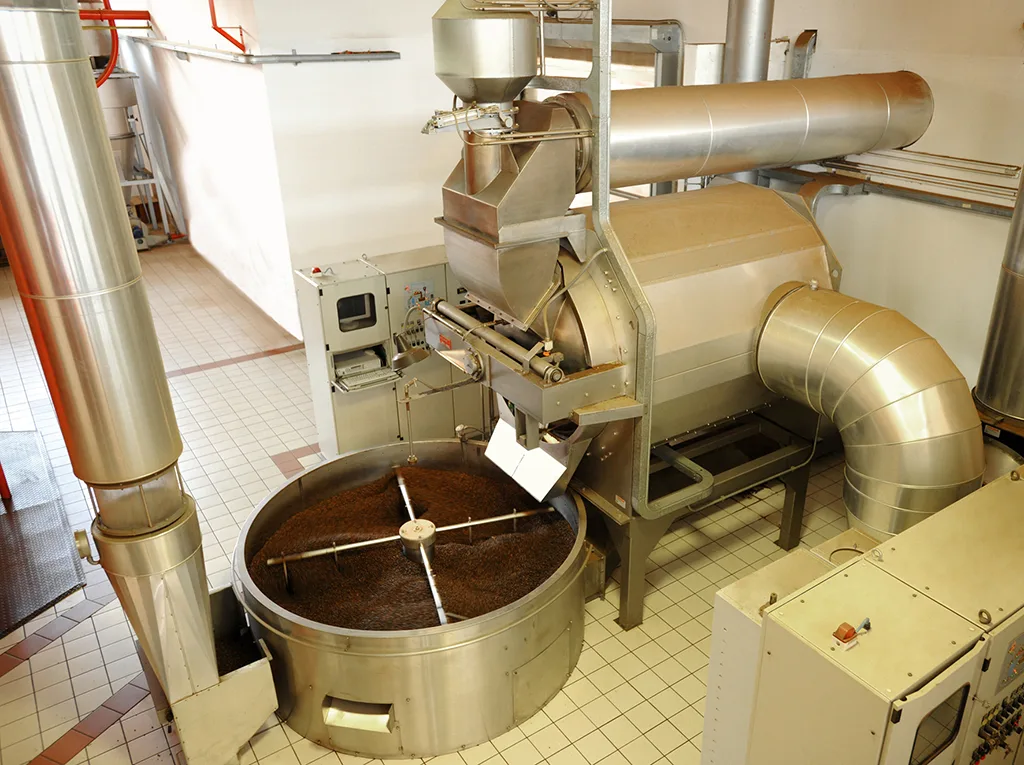
Coffee is a fruit. The green bean that arrives at our roastery is nothing like the coffee in your cup. We take you through the transformation — the chemistry, the craft, and the decisions that define our flavour.
Coffee arrives at our roastery in Lamezia Terme as a green bean. It's hard, grass-coloured, and smells faintly of hay. Nothing about it suggests the complexity that's about to emerge. The magic of roasting is transformation — a series of irreversible chemical reactions triggered by heat that develop the hundreds of aroma compounds that make coffee one of the most complex substances humans consume.
In the early stages of roasting (up to about 160°C), the bean loses moisture — up to 15% of its weight evaporates as steam. The bean turns from green to yellow, and then to a pale tan. At this stage it smells like toasting grain, not coffee.
Around 175–195°C, the first crack occurs — an audible popping sound as the bean expands and CO₂ is released. This marks the beginning of what roasters consider 'drinkable coffee'. Light roasts are pulled just after first crack. The sugars are beginning to caramelise but have not yet broken down — you get floral, fruity, acidic notes.
"First crack is the moment the coffee announces itself. Everything after is a decision about where to stop."
At 200–215°C, a second crack occurs as the cell walls of the bean fracture further. This is the territory of dark roasts — our blends live in the range just approaching or beginning second crack. The sugars are now deeply caramelised, oils migrate to the surface, acidity drops, body increases, and the characteristic Italian espresso flavour profile emerges: chocolate, dried fruit, walnut, a pleasant bittersweetness.
The trend in modern speciality coffee is a fast roast — high heat for a short time, to preserve the 'terroir' of the bean. We understand the philosophy but do not follow it. We believe a slow roast at lower temperatures gives our blends complexity through time rather than through intensity.
A slower roast allows what chemists call the Maillard reactions to develop more fully and evenly — the same reaction that browns bread, sears meat, and caramelises onions. The result is more dimensional sweetness, better integration of the different bean origins in our blend, and a longer finish in the cup.
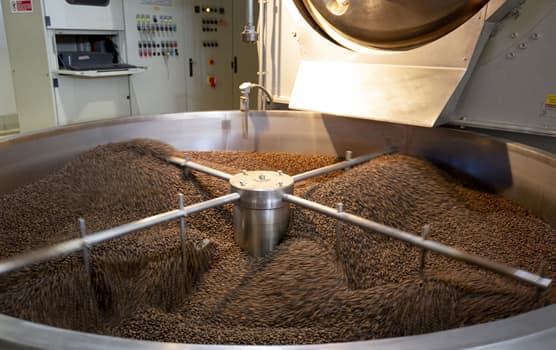
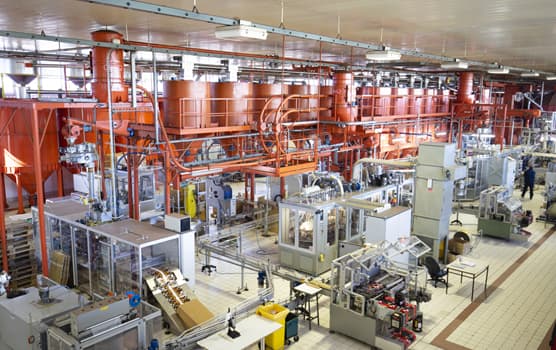
After roasting, the beans need to degas. Fresh-roasted coffee releases CO₂ for days — which is why our bags have one-way valves (so gas can escape without oxygen entering). We rest the beans for 24–48 hours before packaging. The coffee shipped to you is roasted to order in small batches, and the date on the bag is the roast date, not a use-by date.
"We stamp the roast date because we're proud of it. Coffee is best 4–21 days after roast. We want you to know exactly where yours is."
Featured In This Article